
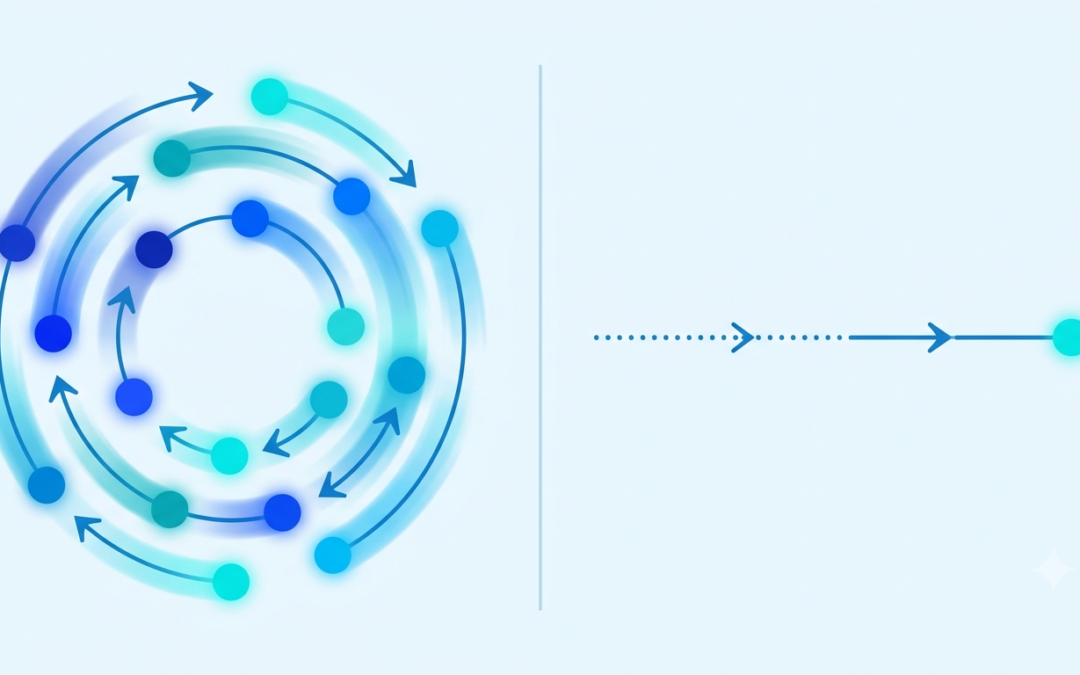
According to reports from Apify and The Web Scraping Club industry survey, 65.8% of web scraping professionals used more proxies in 2025 than the previous year, and 58.3% increased their proxy budgets over the same period, even as proxy prices generally fell. That tells you something important: it’s not just about spending less on proxies anymore; it’s about spending smarter on the right kind.
If you scraped a website in 2023 the way you’re trying to scrape one in 2026, you’ve probably noticed it just doesn’t work anymore. Websites got smarter. Anti-bot systems got more aggressive. And proxies stopped being a nice-to-have and became the actual backbone of whether your scraper succeeds or fails.
So if you’re trying to figure out which proxy actually makes sense for your scraping project in 2026, this guide breaks it down for you.
What is a proxy and why does web scraping even need one?
A proxy is basically like a middleman. Instead of your scraper hitting a website directly from your own IP address, the request goes through another IP first. The website sees the proxy’s IP, not yours.
Let me explain why this matters for scraping because websites track incoming traffic closely. If one IP address sends hundreds of requests in a few minutes, it doesn’t look like a human browsing casually. It looks like a bot. And the moment it looks like a bot, you get rate-limited, CAPTCHA’d, or banned outright.
Proxies solve this by spreading your requests across many different IPs, so your scraper looks like many different users instead of a bot.
Looking for proxies for web scraping? Take a look at proxies by Express Nodes
Premium Proxy Infrastructure
Residential Proxies
🏡
Your content goes here. Edit or remove this text inline or in the module Content settings. You can also style every aspect of this content in the module Design settings and even apply custom CSS to this text in the module Advanced settings.
ISP IPs
🏡
Your content goes here. Edit or remove this text inline or in the module Content settings. You can also style every aspect of this content in the module Design settings and even apply custom CSS to this text in the module Advanced settings.
Fresh IPs
🏡
Your content goes here. Edit or remove this text inline or in the module Content settings. You can also style every aspect of this content in the module Design settings and even apply custom CSS to this text in the module Advanced settings.
Dedicated IPs
🏡
Your content goes here. Edit or remove this text inline or in the module Content settings. You can also style every aspect of this content in the module Design settings and even apply custom CSS to this text in the module Advanced settings.
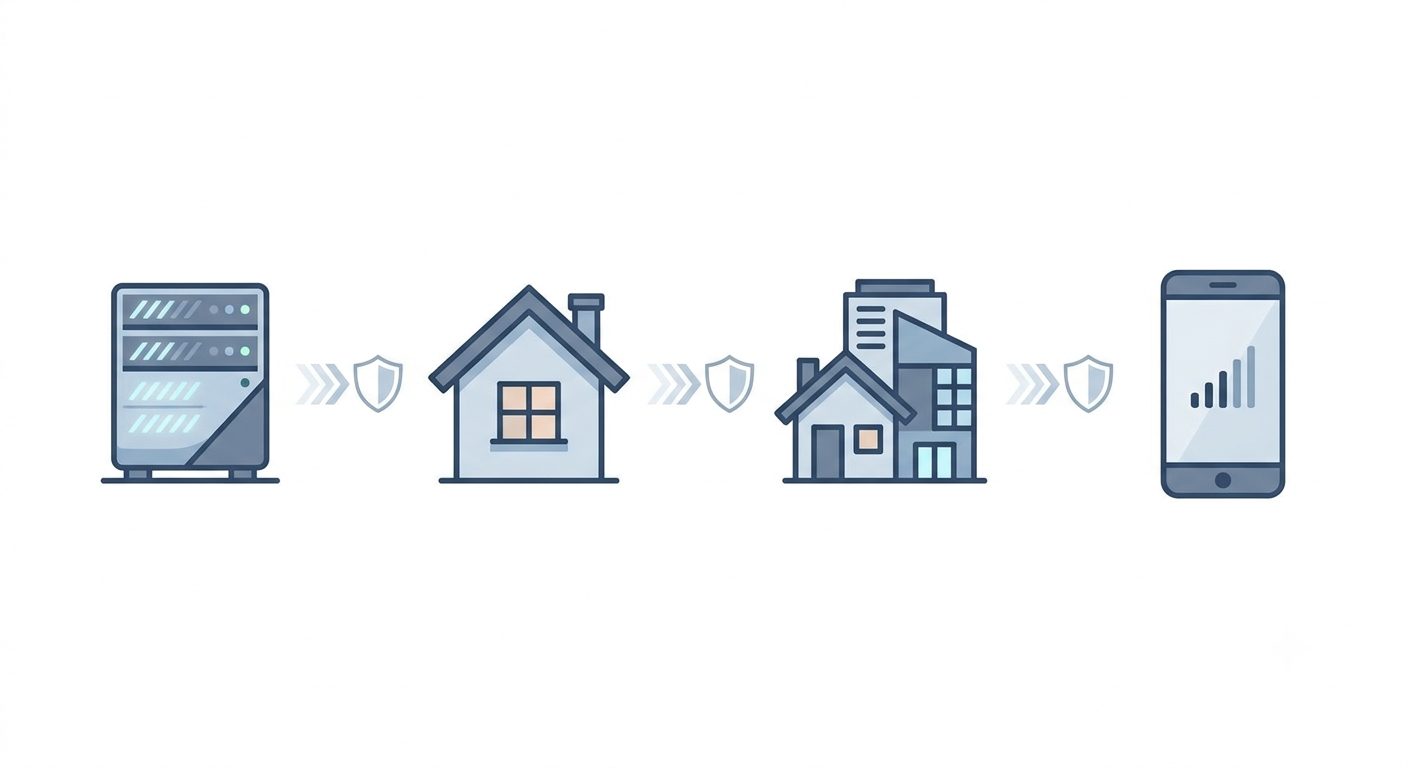
What types of proxies are actually used for web scraping in 2026?
There are four main types worth knowing, and each one behaves very differently.
Datacenter proxies come from cloud servers, not real internet service providers. They’re fast and cheap, but websites can often tell they’re not real residential connections, so they get flagged more easily on well-protected sites.
Residential proxies use IP addresses from actual home internet connections. Because they look like a genuine person browsing from their house, they’re much harder for anti-bot systems to detect and block.
ISP proxies (sometimes called static residential) are a hybrid. They’re hosted on datacenter infrastructure but registered to an ISP, so they combine the speed of datacenter proxies with a good chunk of the trust that residential ones get.
Mobile proxies route traffic through real mobile carrier networks like 4G or 5G. Websites are extremely reluctant to block mobile IPs because so many genuine users share the same one, which makes mobile proxies one of the hardest types to get flagged.
Which proxy type has the best success rate for scraping?
There’s no single best proxy for everyone; you should select a proxy based on your usage.
|
Proxy Type |
Success Rate on Protected Sites |
Speed |
Cost |
Best For |
|
Datacenter |
Lower against strong anti-bot systems |
Very fast |
Cheapest |
Simple sites with light protection |
|
Residential |
High, blends in as real users |
Moderate |
Mid to high |
E-commerce, price monitoring, social platforms |
|
ISP (static residential) |
High, with more consistency |
Fast |
Mid to high |
Sites needing a stable identity over time |
|
Mobile |
Very high, hardest to block |
Moderate |
Highest |
The most heavily guarded targets |
Residential proxies currently make up the largest and fastest-growing share of the overall proxy market, largely because they consistently outperform datacenter proxies against modern anti-bot defenses. Mobile proxies are catching up fast too, growing quickly as more sites lean on carrier-level trust to spot bots.
What are people actually scraping with proxies right now?
It’s not just developers running side projects anymore. Web scraping has become a real operational need across industries. Based on recent industry surveys, some of the toughest and most commonly scraped targets include major marketplaces like Amazon and Walmart, social platforms like LinkedIn, Instagram, and TikTok, travel sites like Expedia, and search engines like Google.
Common use cases people run into again and again include:
- Price monitoring and dynamic repricing on e-commerce sites
- Sneaker and limited release copping
- LinkedIn and Instagram account management at scale
- Ad verification across different regions
- Real estate and travel data aggregation
- Feeding fresh data into AI models and training pipelines
If your target site is on that toughest-to-scrape list, a cheap datacenter proxy is probably not going to cut it in 2026.
Take a look at proxies by Express Nodes for web scraping
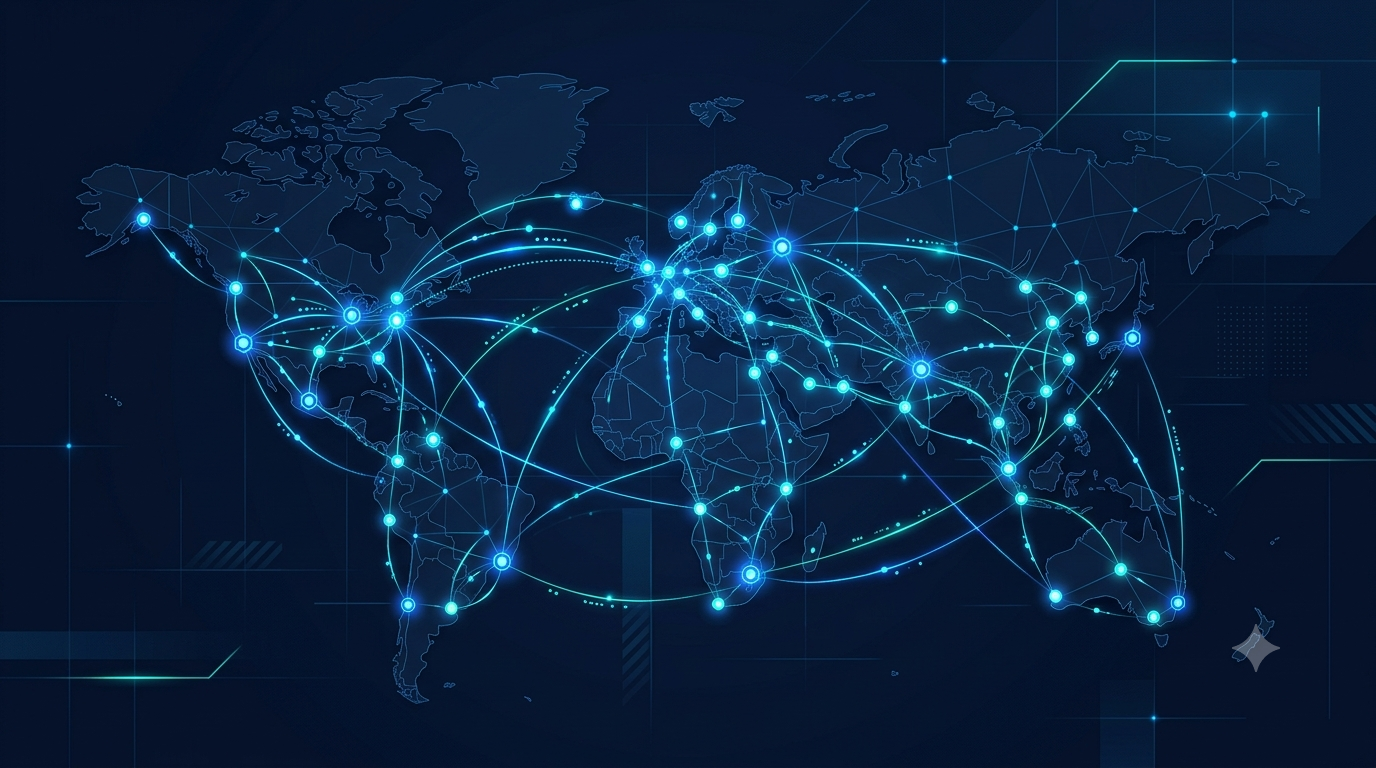
Rotating or sticky proxies: which one should you use?
This confuses a lot of people who are new to scraping. It’s less about which is better and more about matching the proxy behavior to what you’re doing.
Rotating proxies assign a new IP for every request or after a set time interval. This is great when you’re scraping large volumes of pages fast, because it spreads your traffic thin across a huge pool of IPs and makes patterns harder to detect.
Sticky sessions keep the same IP for a longer period, usually anywhere from a few minutes to a full session. This matters when a site needs to recognize you as the same user throughout an interaction, like staying logged in, going through a multi-step checkout flow, or managing a social account without triggering a flag for suddenly switching devices mid-session.
If you’re scraping product listings across thousands of pages, go rotating. If you’re managing an account or completing a flow that needs continuity, go sticky.
Do you actually need residential proxies, or is datacenter enough?
Honestly, it depends on what you’re scraping.
If your target is a smaller site with little to no bot protection, datacenter proxies will do the job for a fraction of the cost. There’s no reason to overspend on residential IPs for a site that isn’t fighting back.
But if you’re going after major platforms, e-commerce giants, or anything with serious anti-bot infrastructure, residential or mobile proxies are basically non-negotiable at this point. Teams that stuck with cheap datacenter proxies two years ago are now shifting toward residential and rotating setups because the arms race with anti-bot systems has gotten that much harder to win with basic tools.
How much should you expect to budget for proxies in 2026?
Pricing varies a lot depending on volume, but here’s the general shape of it. Datacenter proxies are the cheapest option by a wide margin. Residential and ISP proxies sit in the middle, priced either by bandwidth or by number of IPs. Mobile proxies are the most expensive because carrier-level IPs are limited and harder to source at scale.
Enterprises running serious data collection operations often spend anywhere from a few thousand to tens of thousands of dollars a month on proxy infrastructure, and that number is expected to keep climbing as anti-bot systems get more advanced, not because proxies themselves are getting pricier, but because the volume and complexity of scraping keeps growing.
What is the best proxy type for web scraping in 2026?
Residential and mobile proxies currently offer the highest success rates against modern anti-bot systems.
Are datacenter proxies still useful for scraping in 2026?
Yes, for sites with minimal bot protection, datacenter proxies are still fast and affordable. They just struggle against heavily defended platforms.
What's the difference between rotating and sticky proxies?
Rotating proxies change IPs frequently and work well for large-scale scraping. Sticky proxies hold the same IP for longer sessions, which is better for tasks that need continuity, like account management.
Do I need mobile proxies for web scraping?
Only if you’re targeting the most heavily protected sites. Mobile proxies are the hardest to block but also the most expensive, so they’re best reserved for tough targets.
So what’s the actual takeaway?
There’s no single best proxy for everyone. The right choice depends entirely on what you’re scraping and how protected it is.
- Light scraping on simple sites: datacenter proxies
- E-commerce, social media, and price monitoring: residential proxies
- Long sessions or account management: ISP or sticky residential proxies
- The most heavily guarded platforms: mobile proxies
If you’re not sure where your project falls, Express Nodes offers proxy options across all four types, so you can match the proxy to the target instead of guessing and hoping it works.
Shared vs Dedicated Proxies: Which Fits Your Use Case?
If you have even spent ten minutes shopping for proxies, you have probably faced this problem before. Every provider's page asks whether you need shared or dedicated proxies, and if you don't know what that means, let me help you. Here's a number worth looking at:...
Best proxies for eBay and Etsy sellers
Marketplace sellers rarely think about proxies until something goes wrong. A second store gets flagged for "suspicious activity." A price-tracking script gets rate-limited after twenty requests. A perfectly legitimate second shop gets linked to the first one and both...
Best Proxies for Reddit Account Management
If you manage more than one Reddit account, you already know how quickly things can go wrong. One day your posts are getting traction, and the next day your account is shadowbanned, and you have no idea why. Reddit does not take moderation lightly either. In the first...