
Web scraping is one of the most powerful ways businesses gather information about the competition, monitor prices, track rankings and automate data collection at scale. But there’s a harsh reality here, most scraping projects don’t fail because of bad code. They fail because of IP bans. According to the Imperva Bad Bot Report, over 30% of all internet traffic is automated and websites are investing heavily in identifying and blocking it. If you’re running scrapers with static IPs you have already lost the battle, it’s very easy for websites to detect and ban static IPs.That’s why important to choose the right proxies for web scraping.
The global web scraping market is projected to grow to over $1.3 billion by 2028 according to MarketsandMarkets, driven by huge demand for real time data across ecommerce, finance and marketing. The businesses who are winning this data race are the ones using rotating proxies. In this guide we will walk you through what rotating proxies are, why they are essential for web scraping, and how to get started the right way.
What Are Rotating Proxies
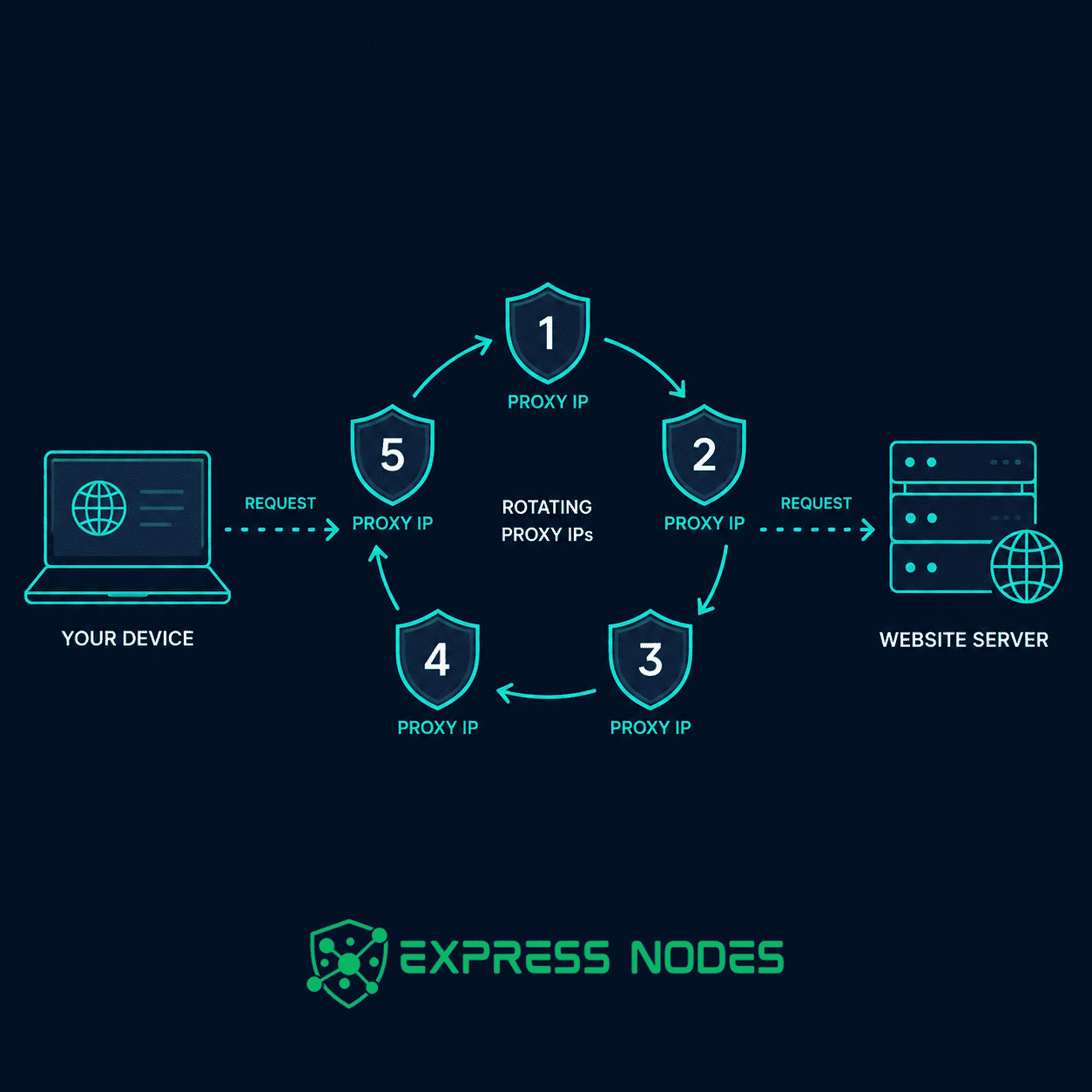
A rotating proxy is a server that assigns you a new IP address each time you make a new request or after a certain period of time. Instead of your scraper sending requests from the same IP repeatedly, each request appears to come from a different location and a different user entirely.
This matters a lot because most anti scraping systems work by flagging unusual behaviour from a single IP. Too many requests from one address in a short window and you’re blocked, simple as that.
There are two main types of rotation:
Per request rotation
assigns a brand new IP on every single request. This is best for aggressive, high volume scraping where you can’t afford to get caught.
Per session rotation
keeps the same IP for a session of maybe 10 or 30 minutes and then rotates it. This works better when the targeted website expects consistent behaviour from one user, like when you’re logged into an account.
If you are looking for premium proxies for web scraping, then check out Express Nodes.
Premium Proxy Infrastructure
Residential Proxies
🏡
Your content goes here. Edit or remove this text inline or in the module Content settings. You can also style every aspect of this content in the module Design settings and even apply custom CSS to this text in the module Advanced settings.
ISP IPs
🏡
Your content goes here. Edit or remove this text inline or in the module Content settings. You can also style every aspect of this content in the module Design settings and even apply custom CSS to this text in the module Advanced settings.
Fresh IPs
🏡
Your content goes here. Edit or remove this text inline or in the module Content settings. You can also style every aspect of this content in the module Design settings and even apply custom CSS to this text in the module Advanced settings.
Dedicated IPs
🏡
Your content goes here. Edit or remove this text inline or in the module Content settings. You can also style every aspect of this content in the module Design settings and even apply custom CSS to this text in the module Advanced settings.
Why Rotating Proxies Are Essential for Web Scraping
If you have ever run a scraper without proxies or with just a static IP, you already know the pain. Here is why rotating proxies are so important for serious scraping work.
Bypassing rate limits. Most websites throttle or block IPs that send too many requests per minute. With rotating proxies each request comes from a fresh address, so the rate limit basically resets with every call.
Evading anti bot systems. Tools like Cloudflare and DataDome are quite sophisticated. They analyze behavioral patterns, request fingerprints and IP reputation. Rotating residential proxies that come from real ISP assigned addresses look completely legitimate to these systems, they simply can’t tell the difference.
Scaling without disruption. Imagine if you need to scrape 500,000 product listings across an ecommerce site. With a few static IPs, you will be blocked after the first few hundred requests. With a pool of rotating proxies you can distribute that load across thousands of IPs and finish the job without any type of problem.
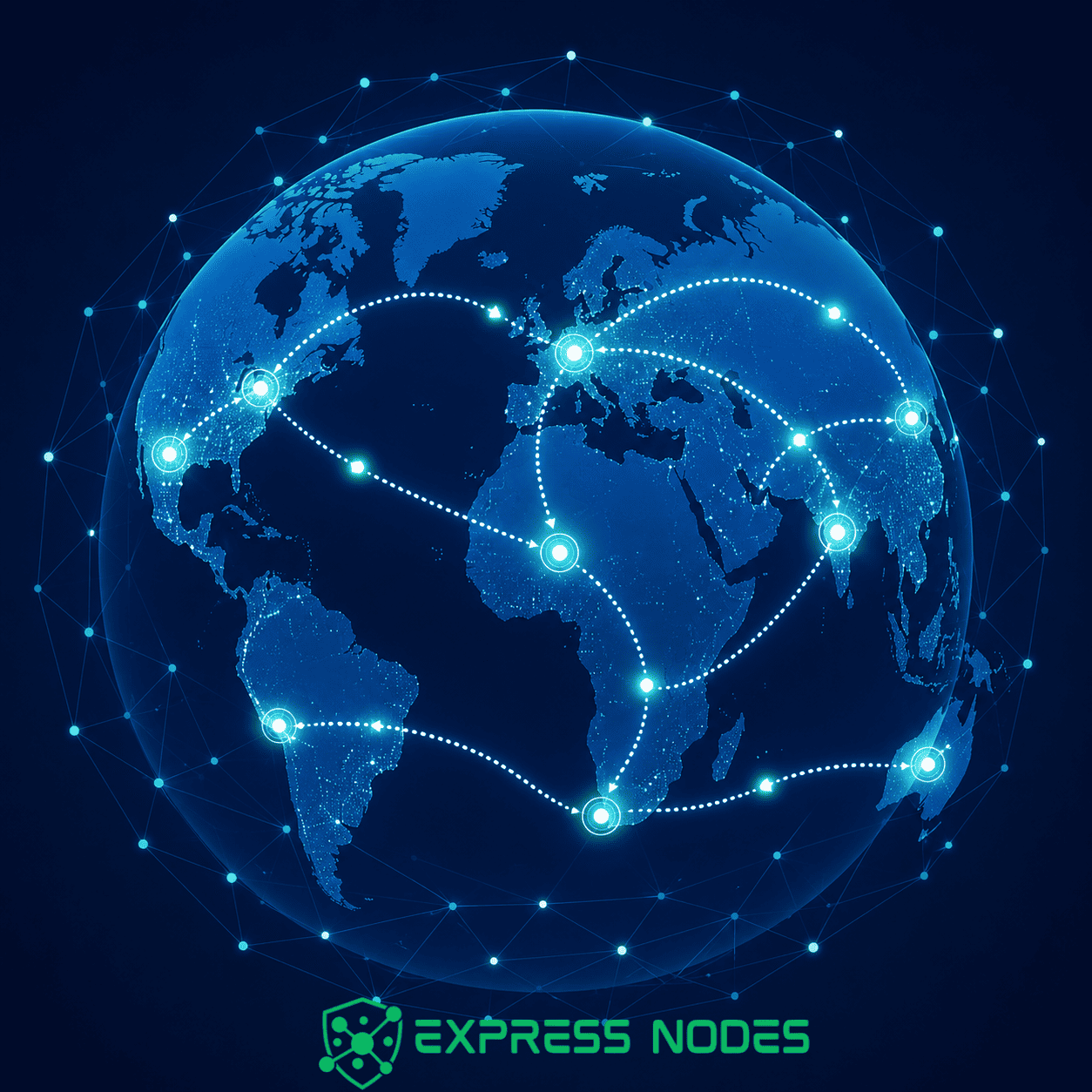
Geo targeted data collection. Many websites serve different content based on where you are, different prices, different product availability, and different search results. Rotating proxies let you target specific countries or cities and get location accurate data that you actually need.
Rotating Residential Proxies vs Other Proxy Types for Scraping
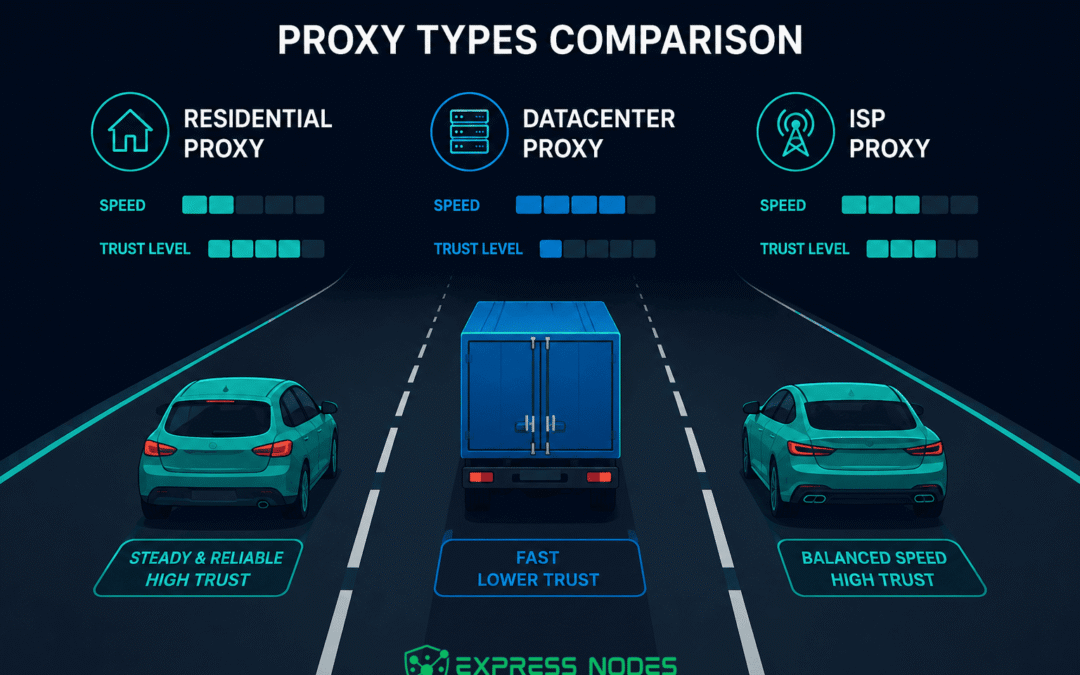
Not all proxies work the same way when it comes to scraping. Here’s a simple comparison.
|
Proxy Type |
Speed |
Trust Level |
Best For |
|
Rotating Residential |
Medium |
Very High |
Heavily protected sites, social media |
|
Rotating Datacenter |
Fast |
Low to Medium |
Basic scraping, lightly protected sites |
|
ISP Proxies (Static Residential) |
Fast |
High |
Long sessions, account based scraping |
Rotating residential proxies are the gold standard for most scraping tasks. The IPs are assigned by real internet service providers to real devices, so websites trust them just like they would trust any regular visitor.
Datacenter proxies are faster and cheaper but they get flagged easily. These IP ranges are well known and websites actively blacklist them.
ISP proxies are also called static residential proxies. They carry the same trust as residential IPs but with the speed and stability of datacenter infrastructure. They are really useful when you need a consistent identity across multiple requests, like when you’re scraping platforms that track login sessions.
For most scraping projects, rotating residential proxies are your safest and most reliable option.
How to Get Started with Rotating Proxies for Web Scraping
Here’s a straightforward process to set up your rotating proxy workflow from scratch.
Step 1: Define your scraping goals. Before you buy anything get clear on what you are scraping, how often, and at what volume. Are you hitting one target site or hundreds? Do you need location specific IPs? How many requests per day? These questions will help you figure out what size proxy pool you actually need.
Step 2: Choose the right proxy type. For most scraping projects rotating residential proxies are the safest choice. If your target site is lightly protected then rotating datacenter proxies might be enough and will be more cost effective. If you are doing heavy session based scraping then ISP proxies are worth considering.
Step 3: Get proxies from a reliable provider. This is where a lot of scrapers cut corners and pay the price later. Cheap, low quality providers give you burned IPs with terrible success rates. Express Nodes provides fresh high quality proxies for web scraping with large IP pools, low ban rates and geo targeting support. Everything you need for scraping that actually works at scale.
Step 4: Set your rotation rules. Work with your provider’s dashboard to configure your rotation behaviour. Use per request rotation for high ban risk targets. Use sticky sessions when you need to maintain a natural browsing session across multiple pages.
Step 5: Test and monitor. Run test batches before going full scale. Track your success rate, meaning successful responses versus blocks or captchas. A good rotating proxy setup should give you a success rate well above 95% on most targets. If you are seeing a lot of blocks, switch to residential IPs or try a different geo.
Ready to Start Scraping Without Interruptions?
Stop fighting IP bans and start collecting the data you need. Get started with Express Nodes, rotating proxies and scrape at scale with confidence.
Best Practices to Avoid Bans While Scraping
Even with rotating proxies, sloppy scraping behaviour will get you blocked. Here are some simple practices to stay clean.
Randomize your request timing. Don’t send requests at perfectly even intervals, real humans don’t browse like that. Adding random delays of 1 to 5 seconds between requests makes your scraper look a lot more natural.
Rotate user agents. Your IP isn’t the only thing websites track. Pair IP rotation with user agent rotation so each request also looks like it’s coming from a different browser and device.
Use session management wisely. For sites where you need to browse through multiple pages, sticky sessions help maintain a natural pattern without triggering session based detection systems.
Monitor and refresh regularly. Even residential IPs can get flagged over time if they are overused. Using a provider with a large, frequently refreshed IP pool is important and this is exactly why fresh IPs matter so much for scraping success.
Common Use Cases for Rotating Proxies in Web Scraping
Rotating proxies are behind a lot of real business workflows across different industries.
Ecommerce price monitoring to track competitor pricing across thousands of product pages every single day.
SEO rank tracking to check search rankings across different locations without Google flagging your tool as automated traffic.
Market research to aggregate product reviews, listings and availability data at scale without interruptions.
Ad verification to make sure your ads are displaying correctly across different regions and devices.
Social media data collection to gather public data from platforms that have very aggressive bot detection systems in place.
If you are running any of these use cases, have a look at our proxies for web scraping built specifically for high volume data collection
Rotating proxies are not just a workaround, they are the foundation of any scraping operation that needs to run reliably at scale. Whether you are monitoring prices, tracking SEO data or doing market research, the quality of your proxy infrastructure is what makes or breaks the whole thing.
Express Nodes offers rotating residential proxies with clean fresh IP pools, geo targeting options and the kind of reliability that serious scraping projects need. If you are done dealing with IP bans and want to actually collect data without the constant headaches, get started with Express Nodes today and see the difference straight away.
.
Buy Mobile Proxies: Complete Guide 2026
More than 3 billion people now have a 5G subscription, according to the Ericsson Mobility Report (June 2026). Carriers put thousands of subscribers behind each shared IP address, and websites know it. That is why mobile traffic gets so much room, and why mobile...
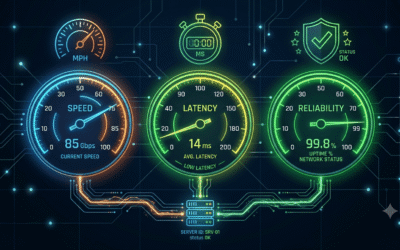
How to Test Proxy Speed, Latency & Reliability
Most people pick a proxy, plug it in, and only find out it's bad when their scraper starts failing at 2 a.m. That's actually a really painful way to learn. In Proxyway's 2026 benchmark, residential proxies succeeded about 99% of the time on a simple test page, but the...
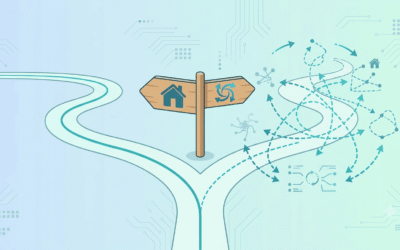
Static vs. Rotating Residential Proxies: Which Is Better?
Automated traffic made up more than 53% of all web traffic in 2025, according to Imperva's 2026 Bad Bot Report. Websites know this, and they've gotten strict about who they let in. If your IP looks suspicious, you get a CAPTCHA, a block, or sometimes a quietly fake...