

Automated traffic made up more than 53% of all web traffic in 2025, according to Imperva’s 2026 Bad Bot Report. Websites know this, and they’ve gotten strict about who they let in. If your IP looks suspicious, you get a CAPTCHA, a block, or sometimes a quietly fake page.
That’s why the static vs. rotating question matters a lot. Both types use real home IP addresses, but they behave very differently. If you pick the wrong one, your accounts get flagged, or your scraper dies halfway through a job. So Here’s how to choose.
What Is a Static Residential Proxy?
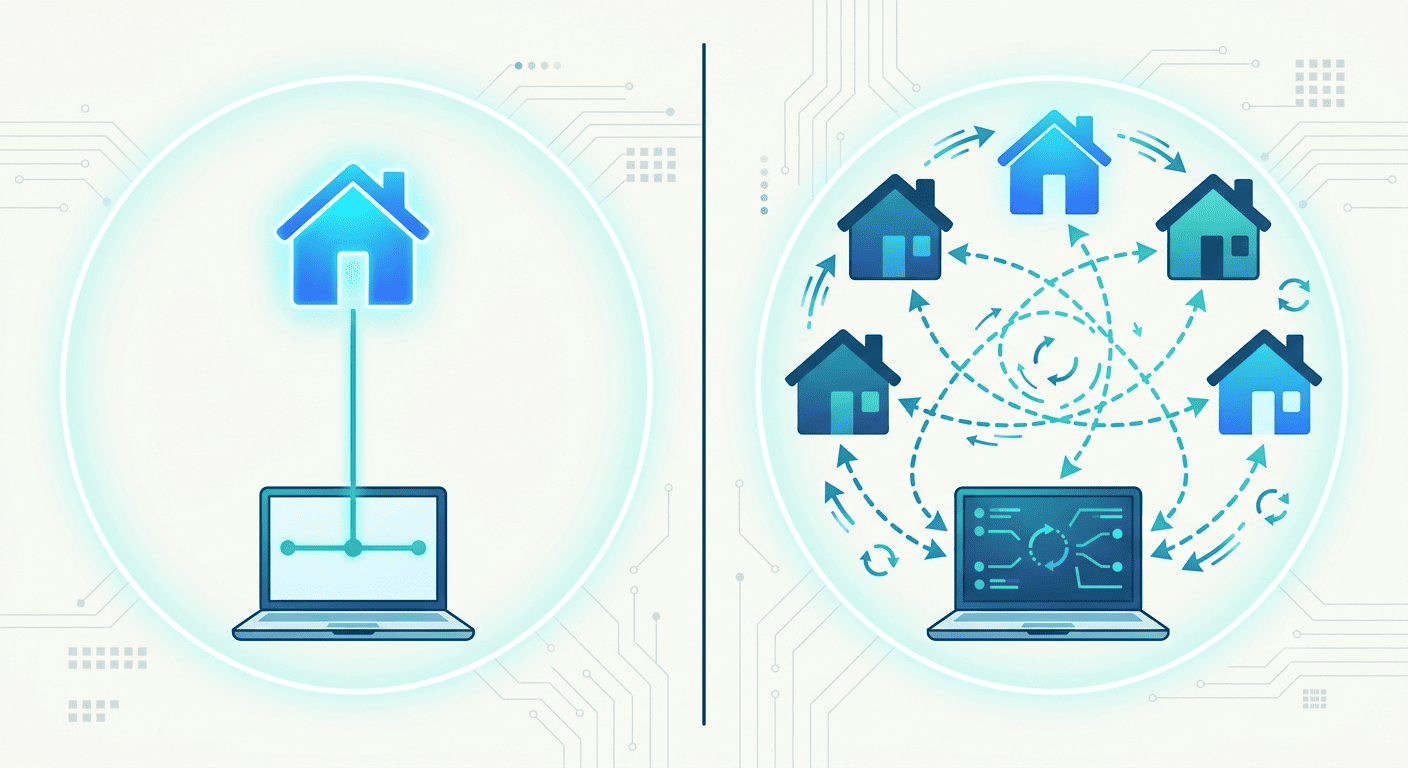
A static residential proxy gives you one fixed IP address that stays yours until you decide to change it. The IP is registered with a real internet service provider, so websites see it as a typical household connection. People often call these ISP proxies.
What Is a Rotating Residential Proxy?
A rotating residential proxy pulls from a big pool of home IPs and swaps them automatically. You might get a new IP on every request, or every few minutes, depending on your settings. So, to the website, each visit looks like a different person from a different house.
Take a look at rotating and static proxies by Express Nodes.
Premium Proxy Infrastructure
Residential Proxies
🏡
Your content goes here. Edit or remove this text inline or in the module Content settings. You can also style every aspect of this content in the module Design settings and even apply custom CSS to this text in the module Advanced settings.
ISP IPs
🏡
Your content goes here. Edit or remove this text inline or in the module Content settings. You can also style every aspect of this content in the module Design settings and even apply custom CSS to this text in the module Advanced settings.
Fresh IPs
🏡
Your content goes here. Edit or remove this text inline or in the module Content settings. You can also style every aspect of this content in the module Design settings and even apply custom CSS to this text in the module Advanced settings.
Dedicated IPs
🏡
Your content goes here. Edit or remove this text inline or in the module Content settings. You can also style every aspect of this content in the module Design settings and even apply custom CSS to this text in the module Advanced settings.
What’s the Real Difference Between Static and Rotating Residential Proxies?
It comes down to one thing: how long you keep the same IP. Everything else, from speed to cost to ban risk, follows from that.
|
Feature |
Static Residential |
Rotating Residential |
|
IP behavior |
One fixed IP |
New IP per request or interval |
|
Best for |
Logins, account management |
Scraping, monitoring, research |
|
Session stability |
Very high |
Lower, unless you use sticky sessions |
|
Speed |
Usually faster and steadier |
Can vary, since IPs come from home connections |
|
Ban risk |
Builds reputation over time, good or bad |
Spread across many IPs, so one flag matters less |
|
Pricing model |
Usually per IP |
Usually per GB of traffic |
|
Looks like |
One regular home user |
Many different home users |
Which One Is Faster and More Stable?
Static wins here; it is faster than a rotating residential proxy, and it isn’t close. A static IP sits on a stable connection, so you get steady speeds and no surprise drops. Rotating residential proxies run through real household connections, and home internet is usually slower and less reliable than a business line. You’ll notice this most on big scraping jobs.
If you’re logged into a dashboard and the connection keeps fluctuating, that’s annoying. If it happens across ten thousand requests, it’s expensive. If you want the stable option? Take a look at what Express Nodes offers.
Which One Is Less Likely to Get Banned?
Honest answer: it depends on what you’re doing.
For logged-in work, static is safer. Imagine your Instagram account suddenly logging in from three countries in an hour. Platforms read that as an account takeover and throw up verification checks or lock you out. A steady IP helps you avoid this kind of drama.
For scraping, rotating is safer. Hitting one site hundreds of times from a single IP is the fastest way to get rate-limited. Spreading requests across many IPs keeps you under the radar.
There’s a catch that people overlook. Rotating too aggressively can backfire. Real households don’t change IPs every few seconds, so a fresh IP on every request with perfectly regular timing can look more suspicious than a slow, steady visitor. The IPs aren’t the problem, but the pattern is.
When Should You Use Static Residential Proxies?
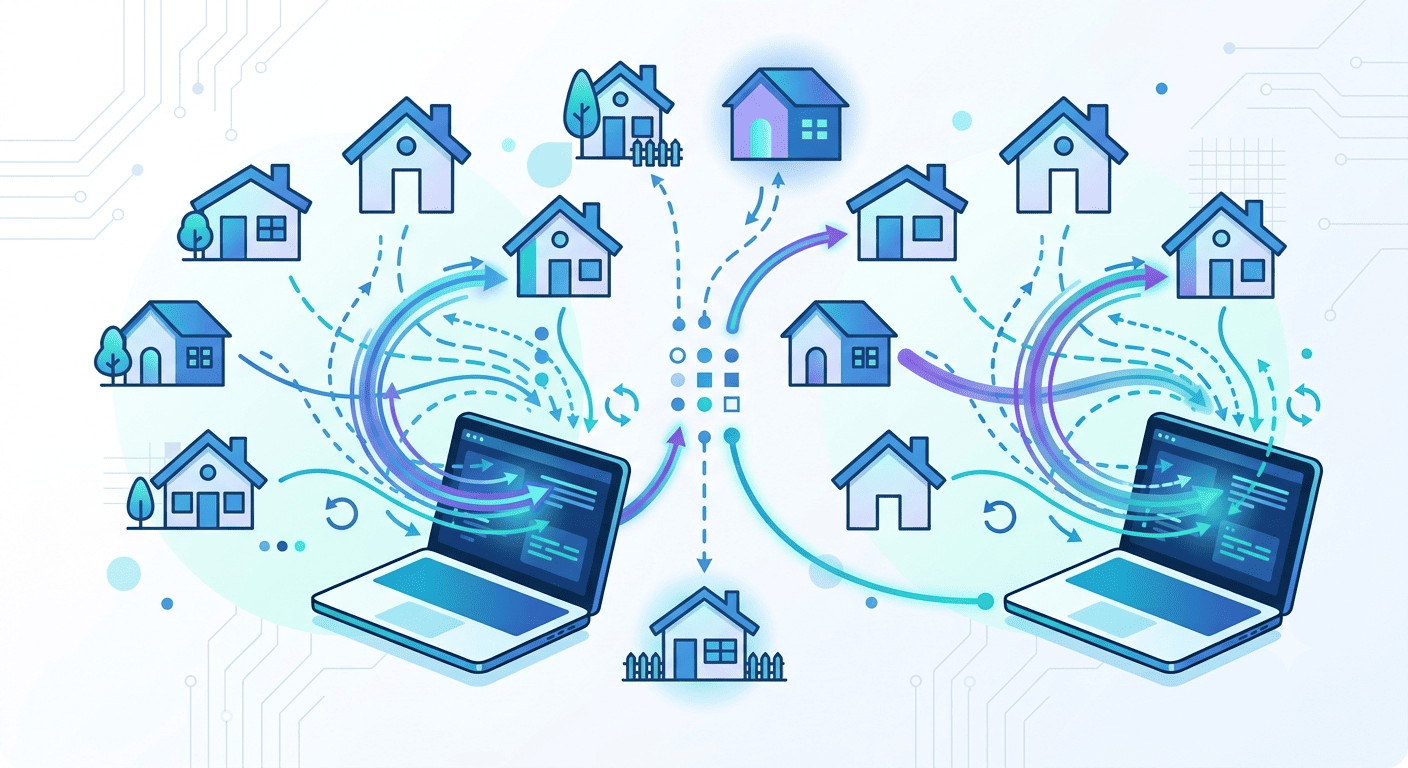
Static works best when identity matters more than volume. Good fits include:
- Social media management. Running client accounts on Instagram, LinkedIn, or X without triggering security checks.
- E-commerce and marketplace accounts. Seller dashboards and ad accounts hate sudden location changes.
- Banking and payment platforms. Consistency avoids extra verification.
- Long sessions. Anything where you log in once and stay in for hours.
- Geo-restricted content. When you need to look like a steady local user in one city.
When Should You Use Rotating Residential Proxies?
Rotating works best when volume matters more than identity. Good fits include:
- Web scraping. Collecting product, review, or listing data at scale.
- Price monitoring. Checking competitor prices across regions without getting blocked.
- SEO and SERP tracking. Pulling search results from many locations.
- Ad verification. Seeing what ads actually show up in different markets.
- Market research. Gathering public data across lots of pages quickly.
Running a scraping project? Express Nodes rotating residential proxies are built for exactly this kind of work.
What Are Sticky Sessions, and Are They the Middle Ground?
Yes, and they solve the most common headache. A sticky session lets a rotating proxy hold the same IP for a set time, say ten minutes or a few hours, and then switch. You get the big pool of a rotating network with the stability you need to finish a task.
It’s useful for things like logging in, walking through a multi-step checkout, or scraping paginated results where changing IPs midway would break the flow. It also looks closer to real behavior, since a normal person keeps one IP for a while and only changes it occasionally.
If you’re stuck between the two, sticky sessions are often the smartest choice.
How Do Pricing and Setup Compare?
Static proxies are usually sold per IP. You pay for the address, and you can use it as much as you like within the plan. That makes costs easy to predict.
Rotating proxies are usually sold by bandwidth, meaning per GB. That’s flexible, but heavy scraping can add up fast, especially on media-heavy pages. Before you buy, estimate how much data your job will actually pull.
Neither is cheap or expensive by default. The cheaper option is the one that matches your workload.
Can I use static residential proxies for web scraping?
Yes, you can for small jobs, but it isn’t ideal. Sending lots of requests from one IP gets it rate-limited quickly. Rotating proxies handle scraping much better.
Are rotating residential proxies safe for social media accounts?
It is usually not the best choice. Frequent IP changes can look like an account takeover. Static proxies or long sticky sessions are safer for logged-in accounts.
Are static residential proxies the same as datacenter proxies?
No. Static residential IPs are registered with real ISPs and look like home connections. Datacenter IPs come from servers and are easier for websites to spot.
How often should a rotating proxy change IPs?
It depends on the task. Scraping often works with a new IP per request, while anything involving a login should hold the same IP for a session.
Do I need both types of proxies?
Not always. If you only do one kind of work, one type is enough. If you run accounts and collect data, using both is common.
So, Which One Is Actually Better?
Neither, and anyone who says otherwise is selling you something. It depends on the job.
Here’s the simple version. Managing accounts, staying logged in, or needing a steady identity? Go static. Collecting data at scale, checking prices, or tracking rankings? Go rotating. Need a bit of both? Use rotating with sticky sessions.
Many teams end up using both, static for accounts and rotating for data. That’s actually completely normal.
Ready to pick? Explore Express Nodes proxy plans and match the type to your task.
How to Set Up a Proxy in Chrome: Complete Guide
Chrome accounted for 69.39% of worldwide browser market share in August 2026, according to Statcounter Global Stats. That's a lot of people who will eventually want to browse from a different IP address. So if you want your browsing to go through a proxy, you will...

How to Check if a Proxy Is Working: 7 Easy Methods
The global proxy server market is projected to grow from $1.746 billion in 2025 to $2.649 billion by 2031, a 7.2% CAGR driven mainly by rising cybersecurity needs and demand for geo-restriction bypass. A lot of that growth is actually coming from businesses scraping...
Best Proxies for Web Scraping in 2026: What Should You Use?
According to reports from Apify and The Web Scraping Club industry survey, 65.8% of web scraping professionals used more proxies in 2025 than the previous year, and 58.3% increased their proxy budgets over the same period, even as proxy prices generally fell. That...