
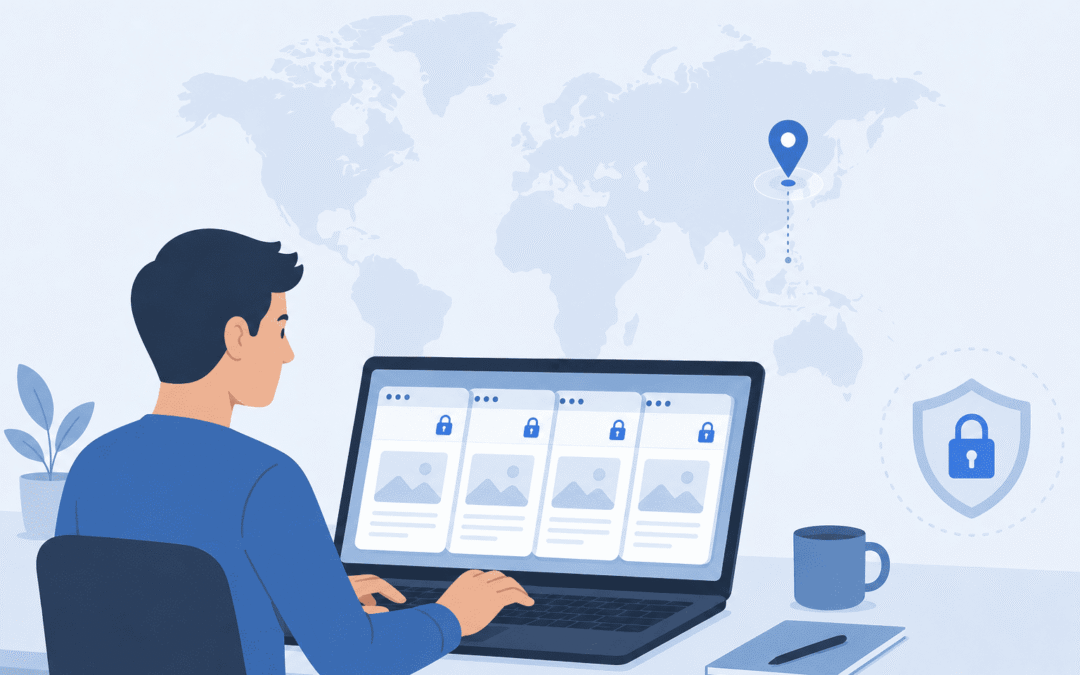
If you manage more than one PayPal account, or you log in from a location that doesn’t match your registered address, you already know the feeling. One day, everything is working fine, then suddenly, the next day, your account is temporarily on hold, or you get a request to verify your identity all over again. It rarely happens randomly. Most of the time, it is due to your IP address.
PayPal runs one of the most aggressive fraud detection systems in online payments. Its AI-driven tools reportedly block close to $500 million in fraud attempts every quarter, and part of how it catches suspicious activity is by watching where logins are coming from. A sudden change in your IP, a login from a data center, or an address that doesn’t match your account’s home country is the kind of signal that triggers a review. Now, this is where the type of proxy you use for PayPal account management becomes a big decision because it will help to keep your account safe and open.
Why PayPal Cares So Much About Your IP Address
PayPal’s risk engine builds a profile of every account over time. It learns the country you log in from, the device you typically use, and roughly how often you connect. So when something breaks that pattern, the system doesn’t ban you, but it does flag the session for extra scrutiny.
For freelancers, agencies, and sellers running multiple PayPal accounts, this actually creates a real problem. Logging into several accounts from the same home IP address looks like one person operating a network of accounts, which PayPal’s policies don’t allow. Using a poor-quality proxy can be very risky for you because it is very easy for PayPal to identify datacenter proxies as non-human traffic.
Are you looking for ISP proxies for your PayPal account? Then check out Express Nodes.
Premium Proxy Infrastructure
Residential Proxies
🏡
Your content goes here. Edit or remove this text inline or in the module Content settings. You can also style every aspect of this content in the module Design settings and even apply custom CSS to this text in the module Advanced settings.
ISP IPs
🏡
Your content goes here. Edit or remove this text inline or in the module Content settings. You can also style every aspect of this content in the module Design settings and even apply custom CSS to this text in the module Advanced settings.
Fresh IPs
🏡
Your content goes here. Edit or remove this text inline or in the module Content settings. You can also style every aspect of this content in the module Design settings and even apply custom CSS to this text in the module Advanced settings.
Dedicated IPs
🏡
Your content goes here. Edit or remove this text inline or in the module Content settings. You can also style every aspect of this content in the module Design settings and even apply custom CSS to this text in the module Advanced settings.
What Are ISP IPs, and Why Do They Work Well for PayPal
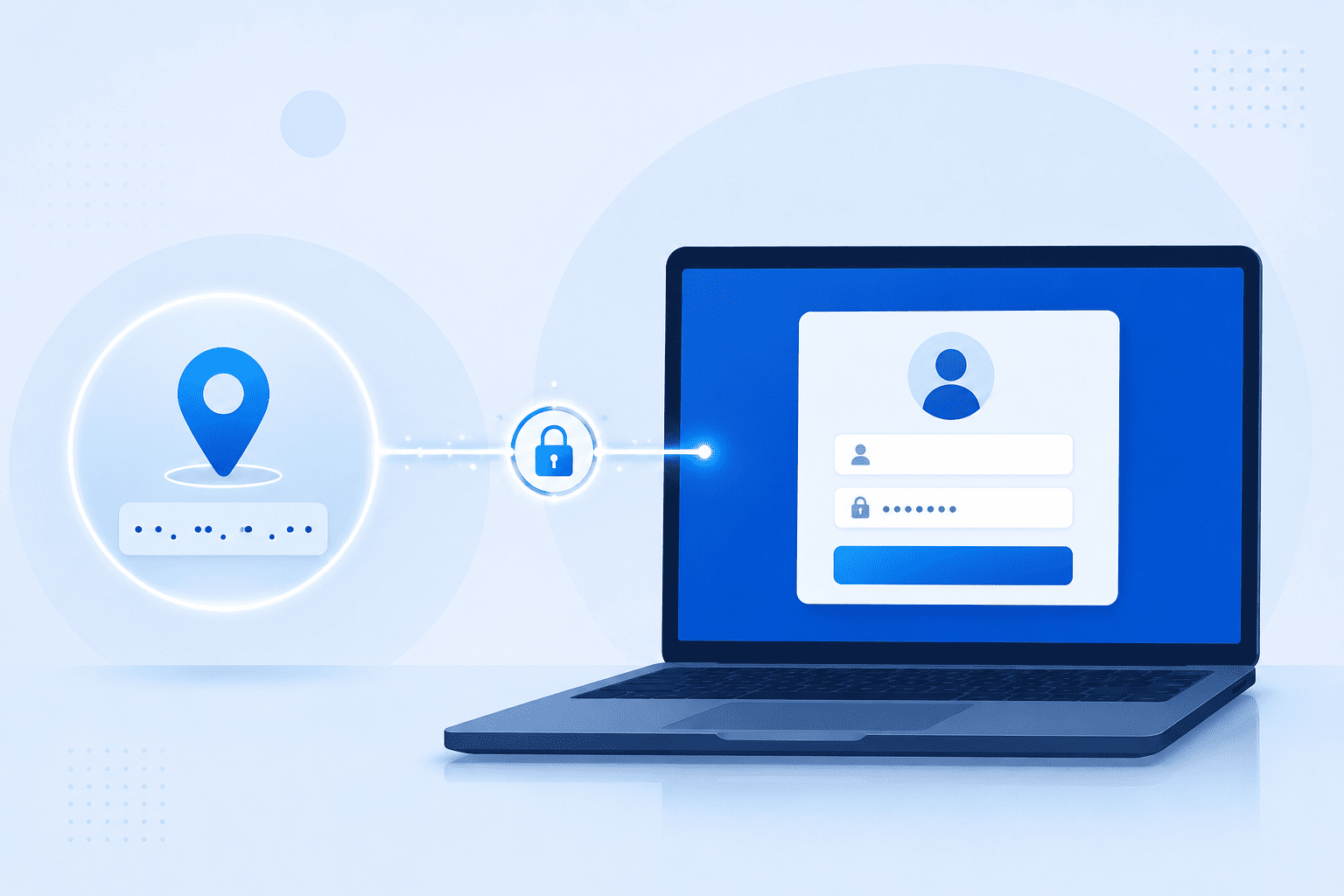
An ISP IP, sometimes called a static residential proxy, is an IP address officially registered to an internet service provider, in the same way a real home connection works, but it is hosted on stable server infrastructure instead of an actual residential device.
This is what makes ISP IPs useful for PayPal account management. To PayPal, the IP looks like it belongs to a genuine home user in a specific city or region. But it’s not like a rotating residential proxy; an ISP proxy doesn’t change every few minutes. It actually stays fixed for as long as you need, which means that your PayPal account sees the same location every time.
That consistency is actually more important than speed or price for this particular use case. A PayPal account that logs in from the same trusted IP for months builds a really clean history. An account that jumps between different IPs, even residential ones, looks really unpredictable, and unpredictability is exactly what fraud systems search for.
ISP IPs vs Other Proxy Types for PayPal
Not every proxy type works the same way. Here’s how the main options work when your goal is managing PayPal accounts without triggering fraud flags.
|
Proxy Type |
IP Consistency |
PayPal Trust Level |
Best For |
|
ISP IP (Static Residential) |
Stays the same long-term |
High |
Long-term account logins, recurring payments |
|
Rotating Residential |
Changes frequently |
Medium |
Research, price checks, and casual browsing |
|
Datacenter |
Stays the same, but flagged as non-residential |
Low |
Tasks that don’t touch financial platforms |
|
Mobile |
Changes with the carrier network |
Medium to High |
Account warm-up, but can be inconsistent |
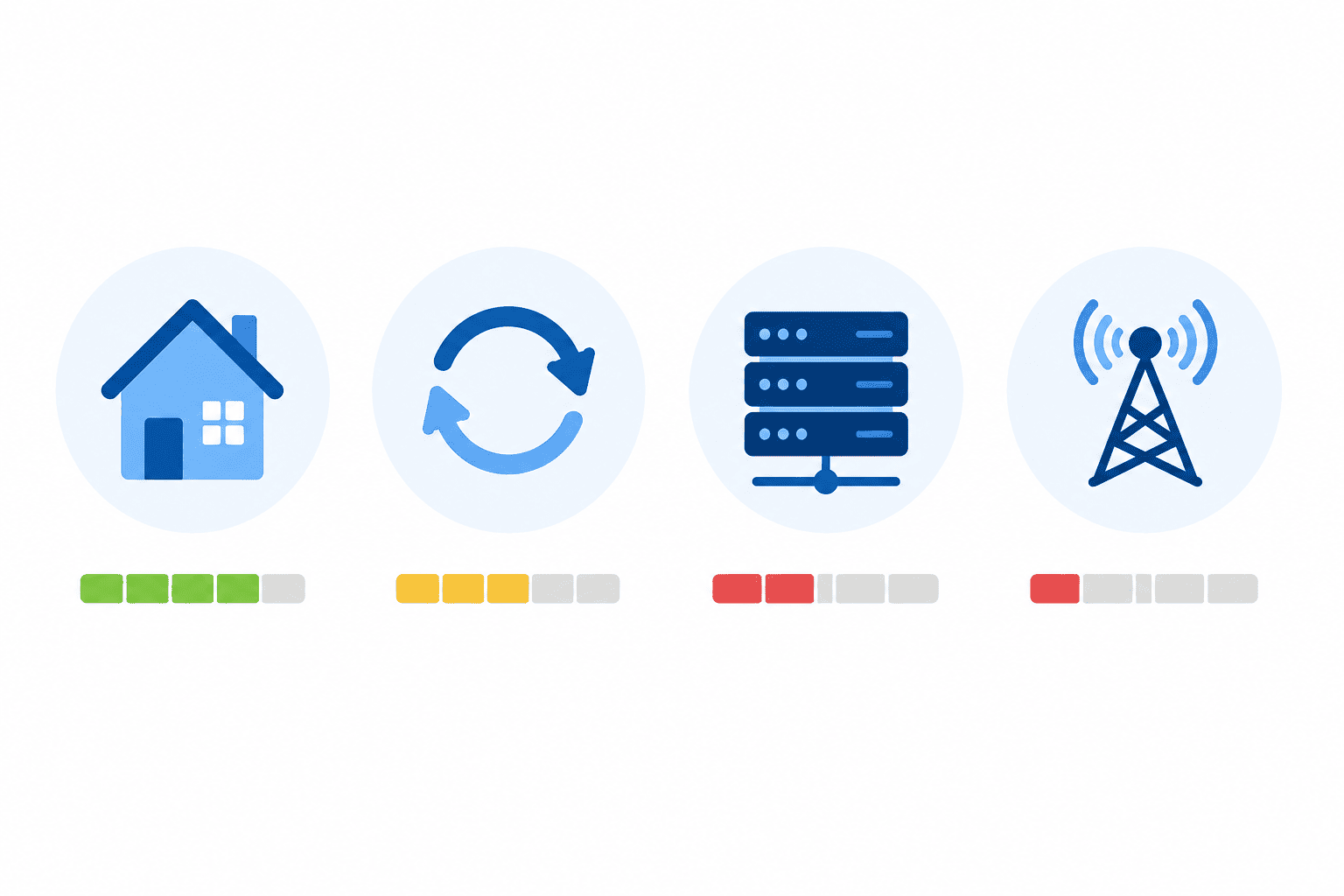
Datacenter proxies are the cheapest options, but PayPal’s systems are really good at identifying them since the IP ranges are publicly known to belong to hosting providers rather than homes. Rotating residential proxies are really good for scraping and research, but for a login-based platform like PayPal, constantly changing IPs actually work against you. Mobile proxies are good, but carrier-side rotation can still change your apparent location without warning.
ISP IPs are the best choice for you because they carry the trust of residential proxies while staying fixed, which is exactly what PayPal’s fraud detection system considers safe.
If you’re ready to set this up properly, Express Nodes’ ISP proxy plans are built for exactly this kind of long-term account management use case.
How to Choose the Right ISP IP for Your PayPal Account
It’s important to pick the right proxy type for your use case. Here are a few things that will help you decide.
Match the country and the region. If your PayPal account was originally verified in the US, an IP from Germany will still raise flags, no matter how clean it is. That’s why it is important to choose a location that matches your account’s registered country.
Make sure the IP is dedicated, not shared. A shared IP means that other users are logging into their own accounts, sometimes for very different purposes. If one of them gets flagged, the whole IP’s reputation gets damaged and your account gets caught in this damage.
Confirm protocol support. HTTP, HTTPS, and SOCKS5 all have different use cases depending on the software or browser extension you’re using to route your PayPal traffic. A good ISP IP provider should support all three of these without any issues. For a closer look at when each protocol makes sense, check our HTTP vs HTTPS vs SOCKS5 breakdown.
Check that the IP doesn’t rotate. This sounds really obvious, but some providers label the proxy as static, but still periodically refresh it. For PayPal specifically, you need an IP that stays the same for the entire period of your subscription.
Best Practices for Using ISP IPs with PayPal
Buying a good ISP IP is just half the job; how you use it matters just as much.
Assign one ISP IP to each PayPal account. Avoid using the same IP for two different accounts, even if it is technically possible. This one habit can prevent many cross-account flags.
Once an IP is linked to an account, you should avoid switching it unless it is necessary. Every change resets some of the trust the account has built. You should pair your ISP IP with a clean browser profile or an antidetect browser. The IP handles your location, but your browser fingerprint, cookies, and cache also play a role in PayPal’s risk scoring.
Common Mistakes to Avoid
Here are a few common mistakes that you should avoid.
Switching IPs too often. Even a good static IP will lose its value if you keep changing providers or locations every week.
Ignoring the account’s original registration details. If your PayPal account was verified in one country, then logging in permanently from another country will look unusual.
Using free or public proxies. These types of proxies are always shared, poorly maintained, and already flagged by major platforms.
Skipping browser fingerprint management. A great IP paired with an inconsistent browser fingerprint can still raise flags.
Are ISP proxies legal to use with PayPal?
Yes, using a proxy is not illegal on its own. However, using it to create fake accounts, bypass PayPal’s regional restrictions, or violate its user agreement is against PayPal’s terms and can lead to permanent limitations.
Can I use a free proxy for my PayPal account?
It is not recommended. Free proxies are usually shared among many users, often already flagged for suspicious activity, and rarely offer the stability financial transactions need.
How many PayPal accounts can I manage with one ISP IP?
Ideally, one static IP should be assigned to one PayPal account. Using the same IP for multiple unrelated accounts increases the risk of PayPal linking and flagging all of them together.
Do ISP IPs guarantee that my PayPal account will never get limited?
No proxy can offer a 100 percent guarantee since PayPal’s fraud detection considers many factors beyond IP address, including transaction behavior and device fingerprint. A good ISP IP significantly reduces risk but should be combined with consistent account behavior.
What is the difference between an ISP IP and a residential proxy for PayPal?
Residential proxies use real household IPs and often rotate, which can look inconsistent for logins. ISP IPs combine the trust of a residential IP with a static, unchanging address, making them better suited for repeated account access.
Wrapping Up
PayPal is not trying to make things difficult for genuine users; it is simply protecting a platform that handles a massive volume of transactions every day. The safest way to manage multiple PayPal accounts is to pair consistent behaviour with a proxy that actually acts like a real, trustworthy connection.
If you manage PayPal accounts for yourself or an online store, it is actually worth setting up your proxy infrastructure properly from the start rather than fixing it after a limitation. You can explore Express Nodes’ ISP proxies to see plans built for exactly this kind of use case.
How to Hide Your IP Address: Proxies vs VPNs vs Tor
About 23% of internet users aged 16 and over said they used a VPN in the second quarter of 2025, based on GWI survey data in the Digital 2026 Global Overview Report. That's nearly one person in four online, and most of them want the same thing, which is to stop...
How to Set Up a Proxy in Chrome: Complete Guide
Chrome accounted for 69.39% of worldwide browser market share in August 2026, according to Statcounter Global Stats. That's a lot of people who will eventually want to browse from a different IP address. So if you want your browsing to go through a proxy, you will...
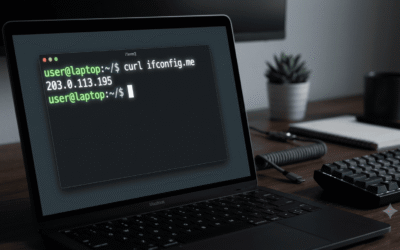
How to Check if a Proxy Is Working: 7 Easy Methods
The global proxy server market is projected to grow from $1.746 billion in 2025 to $2.649 billion by 2031, a 7.2% CAGR driven mainly by rising cybersecurity needs and demand for geo-restriction bypass. A lot of that growth is actually coming from businesses scraping...