
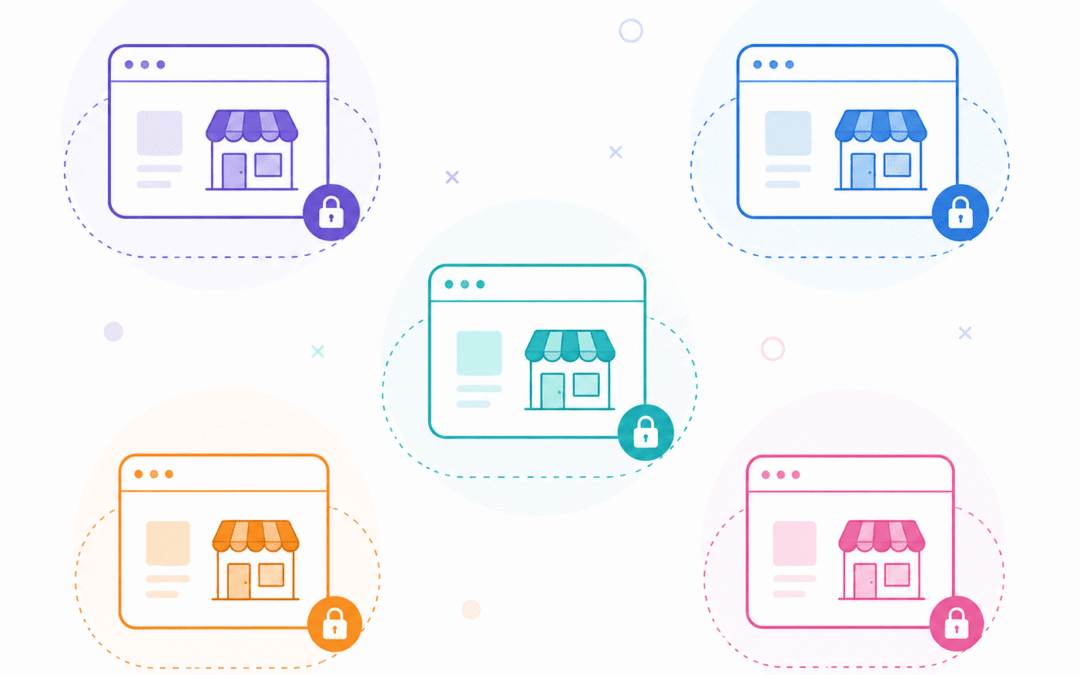
Marketplace sellers rarely think about proxies until something goes wrong. A second store gets flagged for “suspicious activity.” A price-tracking script gets rate-limited after twenty requests. A perfectly legitimate second shop gets linked to the first one and both accounts land in review. This is not a fringe problem. According to Statista’s 2024 seller survey, 51 percent of Etsy sellers already run their shop across more than one sales channel, which means a huge share of sellers are managing multiple storefronts, each with its own login history and IP expectations, at the same time. eBay and Etsy both run detection systems built around one core signal underneath all of this: the IP address behind every login, search, and page view.
If you sell on either of the platforms, or both, understanding how proxies fit into your operation is not optional infrastructure anymore. It is important for running the business safely. This guide breaks down what proxies actually do for eBay and Etsy sellers, which type fits which task, and how to avoid the mistakes that get accounts flagged in the first place.
Why Sellers Need Proxies in the First Place
eBay and Etsy both build detection around IP consistency. So when a shop’s IP suddenly shifts countries or when several unrelated accounts share the same IP, the platform’s fraud detection system notices it. Now this matters a lot for three very different jobs sellers do every day.
Running more than one store
Sellers split inventory across niches, test new categories, or rebuild after a suspension. Each additional storefront needs to look like it belongs to a separate, independent seller, which starts with a separate, stable IP.
Researching the market
Pulling competitor prices, tracking best-seller ranks, or scanning trending tags at any real scale means sending far more requests than a browsing human ever would. Both platforms rate-limit and block IPs that behave like that.
Keeping an account’s location consistent
A shop registered in Mumbai that suddenly logs in from a US IP, then a European one an hour later, reads as compromised or automated. Proxies let sellers lock a shop’s IP to one consistent city or country, matching the account’s real history.
None of these are exotic use cases. They are the ordinary mechanics of running a serious online shop, and they are exactly why proxy usage among marketplace sellers has grown steadily each year.
Explore Express Nodes proxy plans built for eBay and Etsy sellers.
Premium Proxy Infrastructure
Residential Proxies
🏡
Your content goes here. Edit or remove this text inline or in the module Content settings. You can also style every aspect of this content in the module Design settings and even apply custom CSS to this text in the module Advanced settings.
ISP IPs
🏡
Your content goes here. Edit or remove this text inline or in the module Content settings. You can also style every aspect of this content in the module Design settings and even apply custom CSS to this text in the module Advanced settings.
Fresh IPs
🏡
Your content goes here. Edit or remove this text inline or in the module Content settings. You can also style every aspect of this content in the module Design settings and even apply custom CSS to this text in the module Advanced settings.
Dedicated IPs
🏡
Your content goes here. Edit or remove this text inline or in the module Content settings. You can also style every aspect of this content in the module Design settings and even apply custom CSS to this text in the module Advanced settings.

Residential, ISP, and Mobile: What Actually Fits Marketplace Selling
Not every proxy type is good for eBay and Etsy work. Datacenter IPs, the cheapest and most common option, get identified and blocked fast because their IP ranges are publicly known to belong to hosting providers, not real households. For marketplace selling, three types matter.
|
Proxy Type |
Best For |
Why It Works |
|
Residential |
Market research, price monitoring, keyword and trend scraping |
IPs come from real home internet connections, so they read as ordinary shoppers rather than bots |
|
ISP (Static Residential) |
Day-to-day account login and shop management |
Combines a residential-trust IP with a fixed address, giving one shop a stable identity over months |
|
Mobile |
High-value accounts, extra-sensitive login sessions |
Routed through real carrier networks, the hardest IP class for any platform to flag |
Multi-Account Selling: The Rule Most Sellers Get Wrong
Sellers assume that a different proxy per account is enough to stay separated. It rarely is. Both eBay and Etsy cross-check far more than IP addresses: shared payment methods, overlapping email recovery details, matching device fingerprints, and even shared browser cookies can quietly connect accounts that look unrelated on the surface.
A workable multi-account setup usually needs all of the following together:
- One dedicated, sticky proxy per shop, matched to that shop’s registered location
- Separate payment methods and payout accounts for each store
- A separate browser profile or antidetect browser per shop to prevent fingerprint overlap
- Consistent login timing and behavior, rather than switching between accounts back to back
Proxies solve the IP half of this problem. They are necessary but not sufficient on their own, which is worth knowing before assuming a proxy subscription alone will keep multiple shops safely apart.
Trying to keep two or three shops cleanly separated? Express Nodes offers sticky residential and ISP proxies with city-level targeting, so each shop’s IP actually matches its registered location.
Market Research Without Getting Blocked
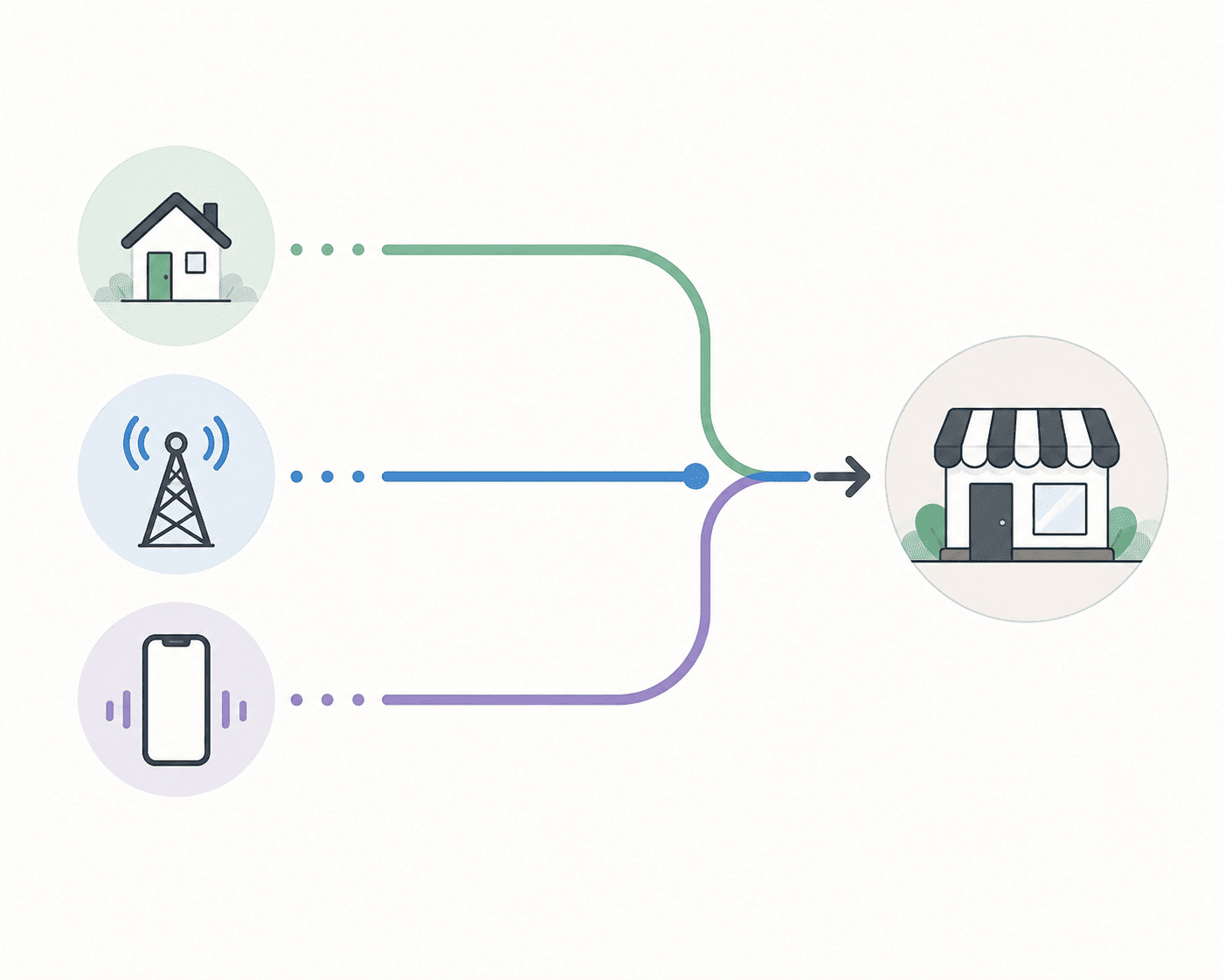
Price monitoring and competitor research are read-only tasks, pulling public listing pages rather than logging into anything, but both platforms still rate-limit them aggressively. Etsy in particular blocks datacenter ranges within minutes of any real scraping volume.
A few practices make research proxies far more effective:
- Use rotating residential IPs, switching per request rather than staying on one address for a long research session.
- Target the country whose pricing and listings you actually need. Etsy personalizes results by location, so a US-based IP returns different prices than one based elsewhere.
- Space out requests. A few seconds between page loads keeps traffic looking human and avoids the rate limits that catch bulk scrapers.
- Track bandwidth, not request count. Etsy and eBay listing pages are lightweight, so even monitoring a few thousand listings a month uses a modest amount of data.
This is where a lot of sellers overspend. Bulk enterprise-grade residential plans are built for scraping millions of pages a day, far beyond what one seller monitoring a category of competitors actually needs. Right-sizing the plan to the actual research volume keeps this affordable rather than a line item that eats into margins.
Choosing a Provider: What Actually Matters
Marketplace sellers do not need the big IP pool on the market. They need consistent, clean IPs and pricing that scales with real usage instead of locking sellers into unused bandwidth. So when comparing proxy providers for eBay or Etsy, here are a few questions that you should ask.
Does the plan support sticky sessions long enough to hold a login through a full shop management session?
Can IPs be filtered by country so a shop’s proxy actually matches its stated location?
Is pricing pay-as-you-go, or does it force a subscription sized for far more than one or two shops to generate?
Does the provider disclose how its residential IPs are sourced?
See how pay-as-you-go pricing compares to a locked subscription with Express Nodes’ proxy plans, sized for individual sellers rather than enterprise scraping teams.
Do eBay and Etsy allow proxy use?
Both platforms discourage using proxies to create policy-violating duplicate accounts, but proxies themselves are a normal, widely used tool for legitimate market research, price monitoring, and managing multiple authorized storefronts.
Are free or VPN IPs a safe substitute?
No. VPN IPs are shared across thousands of users and are frequently already flagged by marketplace fraud systems, which makes them riskier than a dedicated residential or ISP proxy, not safer.
How many proxies does a seller with two shops need?
At minimum, one dedicated, sticky proxy per shop. Trying to run two accounts on the same IP is one of the fastest ways to get them linked together.
Is residential or mobile better for account management?
Static residential or ISP proxies cover most sellers well. Mobile proxies are the hardest to flag but are usually only worth the extra cost for high-revenue accounts where an extra layer of insurance makes financial sense.
Best Proxies for Sneaker Copping and Limited-Release Drops
A hyped release goes live. You refresh, you click, and the size you wanted is gone before the page even finishes loading. That's not bad luck. Nike alone says its SNKRS app fields an average of 12 billion bot calls a month, with bots making up anywhere from 10% to 50%...

Proxies for Price Monitoring and Competitor Tracking (E-commerce)
Amazon changes prices on its platform roughly 2.5 million times a day, according to price intelligence firm Profitero, compared to around 50,000 monthly price changes each for competitors like Best Buy and Walmart. That number alone explains why manual price checks...
Best Proxies for LinkedIn Automation and Outreach
If you have ever sent more than a handful of connection requests in a day, you already know LinkedIn is watching. In fact, a 2026 report found that 23% of users relying on browser-based automation tools faced account restrictions within just 90 days. It tracks where...